Shaun Lee on Shorebirds of the Tāmaki Estuary
Meet the designer behind the Shorebirds of the Tāmaki Estuary exhibition. Hear some insight into Lee’s background, his journey into conservation and the challenges facing the shorebirds in the Tāmaki Estuary.
For more about the exhibition, click here.
Tell me about yourself and your journey into conservation.
I didn’t start as a “birder.” In 2012, I decided to ease away from paid work to focus on the health of my local environment. I spent one day a week walking and kayaking the Tāmaki Estuary, initially just cleaning up pollution and planting trees.
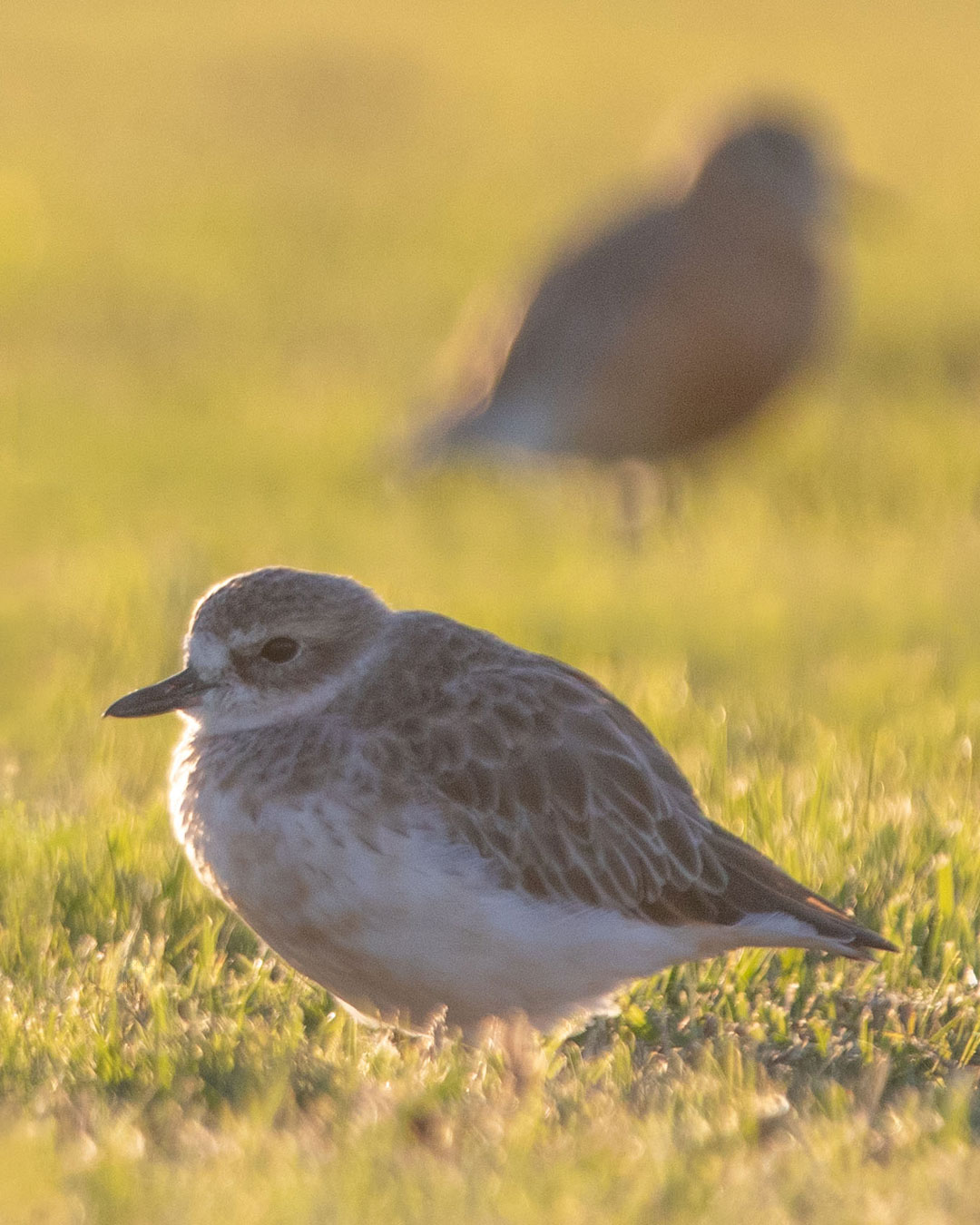
The shift happened in early 2013 when I spotted tūturiwhatu (New Zealand dotterel) in a paddock full of cows. It struck me as bizarre. I soon realised that no one was monitoring these birds; they were breeding in total obscurity, completely vulnerable. These are plucky, conservation-dependent survivors, and realising they were being ignored is what drove me to get professional training in dotterel minding.
Photography for me isn’t about capturing a beautiful image; it’s about providing visual evidence of wildlife that people don’t see. When I photograph a nest at an unused industrial site or a manicured rugby field, I am documenting the extreme lengths these birds must go to just to survive in a human-dominated landscape.
What is the most significant challenge facing shorebirds in the Tāmaki Estuary?
The biggest threat isn’t just predators; it’s the “hardening” of our coastline. My research for the publication ‘Reversing the decline of the Shorebirds of the Tāmaki Estuary’ showed that we have systematically stripped these birds of their roosting spaces.
“We have turned soft, open spaces into hard, closed environments. When the tide comes in, these birds literally have nowhere to sleep.”
We call them the “sleepless shorebirds.” While many Aucklanders think “conservation” is just about protecting Tūī in their gardens, Tūī are not endangered. The real crisis is happening on the mudflats, where native species that have been here for thousands of years are being squeezed out by urban development.
You speak about “Ghost Birds”—what does that mean?
This comes from looking at the data. I researched historical records, the most useful were by world-famous author Ronald Lockley, who lived by the estuary. In his book A House Above The Sea, he describes flocks of thousands of birds in the 1970s and 80s—numbers we simply don’t see today.
Some species are just gone. They are “ghosts.” This is a shifting baseline syndrome: the changes happen so slowly that we don’t notice the loss of shellfish or the thinning of the flocks until they are nearly extinct. My goal in organising the Wader Census is to collect hard data to show trends, I was hoping the decline would have slowed by now but it’s getting worse. Torea / South Island pied oystercatcher will stop roosting in the Estuary entirely within the next decade if current trends continue. We are continuing a colonial pattern of displacement, pushing out wildlife that has thrived here for hundreds of thousands of years.
What was a moment that made the struggle “worth it”?
It’s rarely a “nature” moment—it’s usually a “human” breakthrough. For a long time, I struggled to get politicians to even acknowledge that endangered species lived in our estuary.
The turning point was a public meeting where I brought a Radio New Zealand reporter with me. Seeing the politicians’ attitudes flip from dismissal to concern the moment they realised their inaction might be broadcast was incredibly satisfying. It proved that we can force these birds into the public consciousness; we just have to be as plucky as the dotterels themselves.
The “Light-Hearted” Quick-Fire Rounds
- Who is your conservation hero? The early naturalists and observers like Ronald Lockley. People who recorded nature in qualitative and quantitative ways before it was “fashionable” are heroes because they gave us the benchmarks we need to fight for restoration today.
- A funny (or odd) story? Finding a rare shorebird in a paddock with cows always gets a laugh, but it’s a poignant one. It’s a reminder that nature doesn’t always live in the pristine “wilderness” we imagine; it’s often right under our noses, I now look after dotterel in construction sites and racetracks.
- The “Million Dollar Grant” Project? I would immediately invest in restoring high-tide roosts. We need to “soften” the edges of the Tāmaki Estuary by creating dedicated, safe spaces where shorebirds can rest without being disturbed by people, dogs, or rising tides. If you give them a place to sleep, you give them a chance to survive.
About Shaun Lee
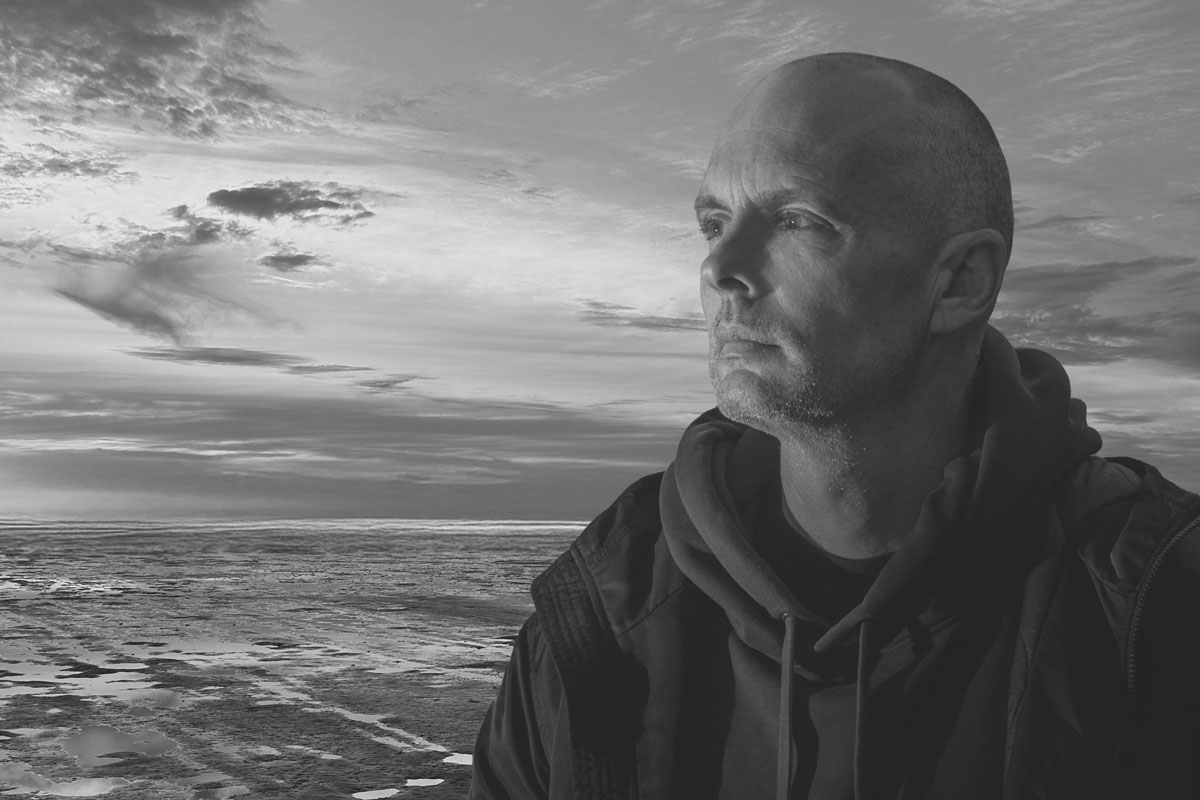
Shaun Lee is a designer dedicated to the ecological restoration of the Tāmaki Estuary. Through his photography, restoration projects, and advocacy, he volunteers to protect tūturiwhatu (New Zealand dotterel) and other shorebirds and seabirds. Lee organises the local wader census, quantifying shorebird decline to directly influence council planning. He played a pivotal role in reducing the development of Ōmaru (Point England Reserve), a key breeding, roosting, and feeding site, and has actively restored habitat at Tahuna Torea and Panmure. Despite these hard-won victories, he is losing the battle to save shorebirds in the Tāmaki Estuary.
This exhibition is sponsored by Tāmaki Estuary Protection Society.
The Tāmaki Estuary Protection Society is an incorporated society and registered charity whose members are committed to improving the waterways, and shorelines of the Tāmaki Estuary, and protecting and enhancing the habitat for local native wildlife.